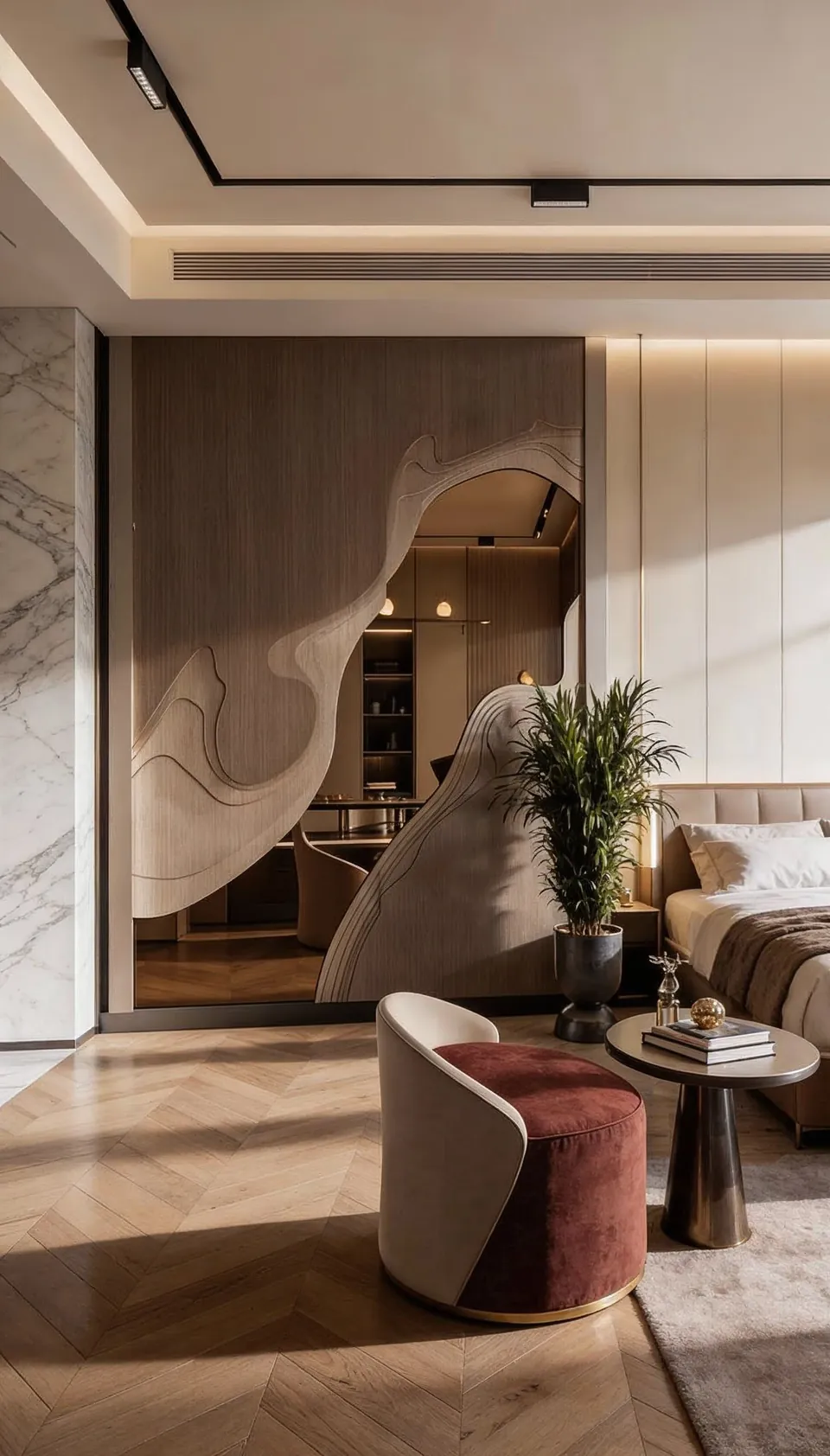


Interior Design Firm Reviews in Dubai: How to Read Them
Updated
Reviews of interior design firms in Dubai are most useful when you read them as evidence rather than as a score: look for detailed, recent accounts of real projects, photographs of finished work and the way the firm answers criticism. Then check what you have read by looking at completed projects and speaking directly to past clients.
What reviews can and cannot tell you
An interior design project is long, personal and involves many people, from designers and project managers to joiners, electricians and suppliers. A single review captures one client's experience of one project, often written at a particular moment: after an inspiring design presentation, say, or during a frustrating week on site.
That makes reviews good at revealing patterns and poor at giving the full picture. Use them to build a shortlist and to prepare questions, not to make the final decision on their own.
Where to find reviews of interior design firms
- Google Business Profile: usually the largest set of reviews for a local firm, with dates and often photos added by reviewers.
- Social media: comments on project posts can show how clients and neighbours react to finished work.
- Design directories and forums: useful for comparing firms, although the number of reviews may be small.
- Word of mouth: neighbours in your community or building who have renovated recently are often the most useful source of all.
Look at more than one source. A firm with a consistent reputation across several places is easier to trust than one whose praise appears in only one of them. Be wary of testimonials that appear only on a firm's own website or brochure: they may be genuine, but they have been chosen by the firm and cannot be checked in the same way.
Signs a review is detailed and genuine
The most useful reviews read like a short account of a real project. They tend to include:
- The type of property and the scope, such as a villa renovation, an apartment fit-out or an office.
- Specific stages: the design presentation, approvals, site work, snagging or handover.
- Something that went wrong and how it was resolved, not only praise.
- A reasonably recent date, because teams and processes change over time.
- Photographs of finished rooms rather than stock images or renders.
It also helps to open the reviewer's profile. Someone with a history of reviews across different businesses, written in their own voice, is more likely to be a real client than an account created the same week as its first review.
Read each review in the context of its project
A review only makes sense once you know what kind of project it describes. A client who had a single room refreshed and a client who went through a full villa fit-out with structural works have had very different experiences, even with the same firm.
Try to work out which stage the reviewer is talking about. Comments about creativity and presentations usually relate to the design phase. Comments about dust, working hours, missed visits or snagging relate to the build. If your project needs both, you want evidence that the firm handles both well.
Consider the type of space too. Reviews from office or retail clients often focus on meeting an opening date and working around a business, while homeowners tend to write about communication, cleanliness and how it felt to live through the work. Give most weight to reviews from projects that look like yours.
Warning signs in a firm's reviews
- A cluster of short, top-rated reviews posted within a few days, with similar wording.
- Praise that could apply to any business, with no mention of the project itself.
- Reviews describing services the firm does not appear to offer.
- The same complaint repeated by different clients, for example about communication, unexpected variations or unfinished snagging.
Some critical reviews are normal for any firm that has completed real projects. What matters is whether the criticism points to a recurring problem, and how the firm deals with it.
How a firm replies says a lot
Read the firm's responses as closely as the reviews themselves. A good reply is calm, specific and focused on putting things right. It acknowledges the issue, explains what happened without blaming the client, and offers a next step.
Be cautious if replies are defensive, copied word for word across reviews, or reveal private details about the client. Notice too when there are no replies at all. A firm that does not engage publicly may not engage much once your project is on site either.
Look for signs of follow-through. When a complaint has been resolved, a good firm will often say so in its reply, and sometimes the reviewer updates the original review. A visible record of problems being fixed is more reassuring than a page with no problems at all.
Look past the stars to the finished work
Ratings summarise feelings; completed projects show capability. Study the firm's portfolio and ask which projects its own team delivered from design through fit-out to handover, and which were design only.
Pay attention to photographs of finished spaces, especially close-ups of joinery, stone, lighting and the junctions where materials meet. Our own projects include the Emirates Hills Villa, completed in 2024, and you are welcome to ask us about any of them. Seeing a finished space in person, where a firm can arrange it, is worth more than a long list of reviews.
Be careful with renders. A portfolio full of computer images tells you a firm can present ideas, not that it can build them. Photographs of completed rooms, ideally taken from several angles and in natural light, are much stronger evidence.
Speak to past clients directly
Ask each firm on your shortlist to put you in touch with a client whose project resembled yours. A short conversation will tell you things no review can. Useful questions include:
- Was the scope clear from the start, and did the final project match it?
- How were changes priced and agreed?
- Did the site team keep to the agreed working hours and leave the property clean?
- How quickly were questions answered, and by whom?
- How was snagging handled after handover?
- Would you hire the firm again?
Listen for specifics. A past client who can describe how a problem was solved is giving you better evidence than one who simply says everything was perfect.
Use reviews alongside the proposal and contract
Reviews help you decide which firms to meet. The proposal and contract tell you what you will actually get. Check that the scope, payment schedule, approvals and aftercare terms are written down clearly, and compare them firm by firm.
As a reference point, our work carries a 12-month defects liability period set out in your contract, and manufacturers' warranties on appliances, fixtures and equipment are passed on to the client. Our FAQ page answers other common questions, and our guide on how to choose an interior design company in Dubai gives a fuller checklist for comparing firms.
If you would like to include us in your research, you can read more about the studio and contact us with the location, size and your vision for the property. We will reply with an indicative project estimate and proposed timeline within one working day.