
Modern Arabic Interior Design in Dubai: A Style Guide
Updated
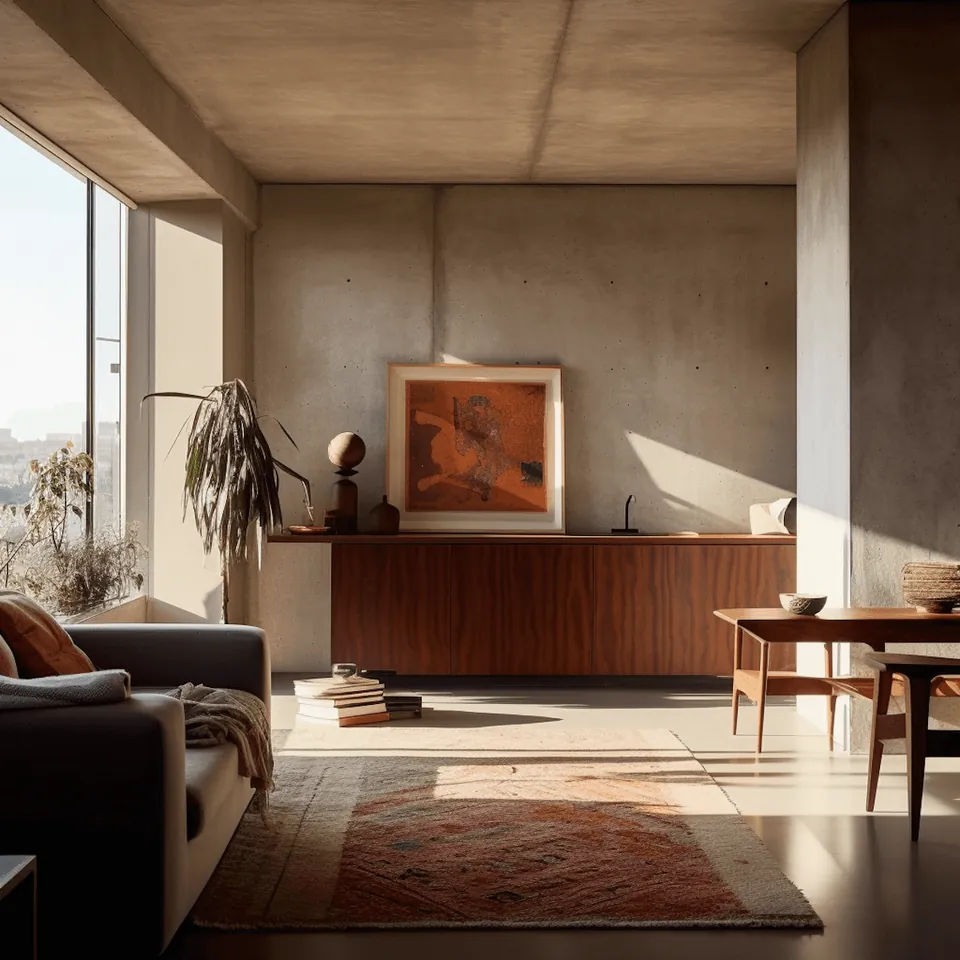
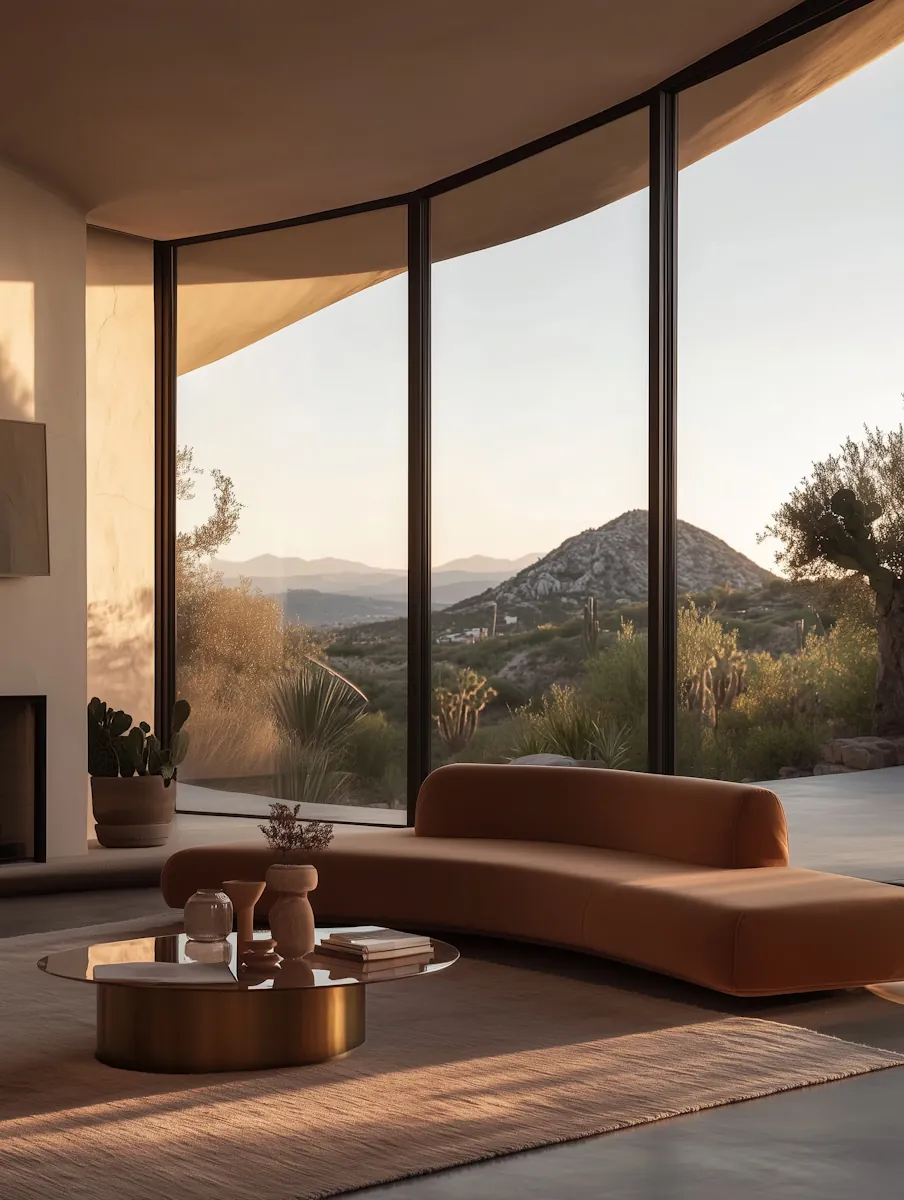
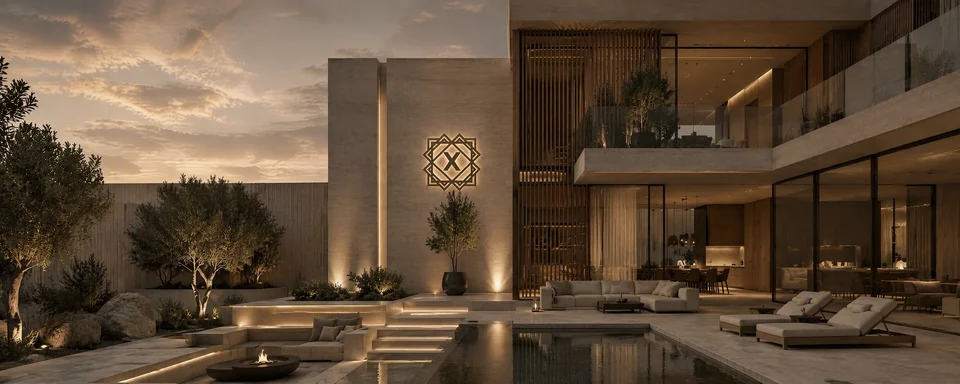
Modern Arabic interior design takes the proportion, geometry, craft and hospitality of the region's architecture and applies them with contemporary restraint. In a Dubai home that usually means a few strong architectural moves, such as an arch, a carved screen or a generous majlis, set against calm surfaces and good light, rather than pattern on every wall.
What makes an interior modern Arabic rather than traditional
Traditional Arabic interiors layer pattern, colour and ornament across walls, ceilings, floors and textiles. The modern version keeps the same vocabulary but uses far less of it, and uses it with intent. One carved screen can carry a room that would once have held several.
The ideas that translate best into a contemporary home are:
- Proportion and symmetry. Formal rooms arranged around a central line, with doorways and openings aligned so the eye travels through the house.
- Filtered light. Screens and lattices that soften sun and give privacy without closing a room off.
- Geometry. Pattern built from repeated shapes, used in a screen, an inlay or a ceiling detail rather than everywhere.
- Craft. Carved timber, metalwork, plaster and stone that show the hand of the maker.
- Hospitality. Rooms planned around receiving guests, with seating arranged for conversation.
When a room holds all five in balance, it reads as Arabic in spirit without looking like a stage set.
What to decide before you choose finishes
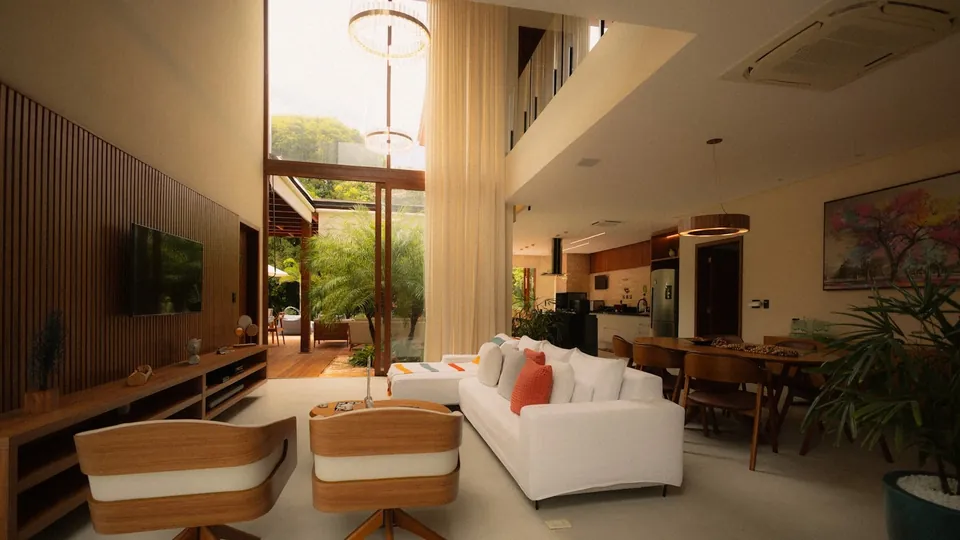
Start with how the home is used, not with a mood board. The most important question is usually how you receive guests. A family that entertains often and formally may want a dedicated majlis near the entrance, separate from private family areas. A household that hosts informally may prefer one open living space with a relaxed seating arrangement.
Next, decide how far the style runs through the house. Some owners want it throughout, but many prefer it concentrated in the entrance, majlis and dining room, with bedrooms and family rooms kept quieter. Making this call early stops the theme from creeping room by room during the project. Our guide to planning a luxury majlis covers that room in more detail.
Finally, agree the level of architectural change. A new arched opening, a vaulted or coffered ceiling or a recessed niche all involve building work, and on a villa they may need drawings and approval from the community or relevant authority. Screens, joinery and lighting can often be added within the existing structure.
Using arches, screens and geometry with restraint
Arches
An arch works best where it frames something: the view from the entrance into the main living space, the move into a dining room, or a niche holding a single object. A run of arches down a corridor can be striking, but too many curved shapes in one room compete with each other. Keep the profile simple and use the same one across the house.
Screens
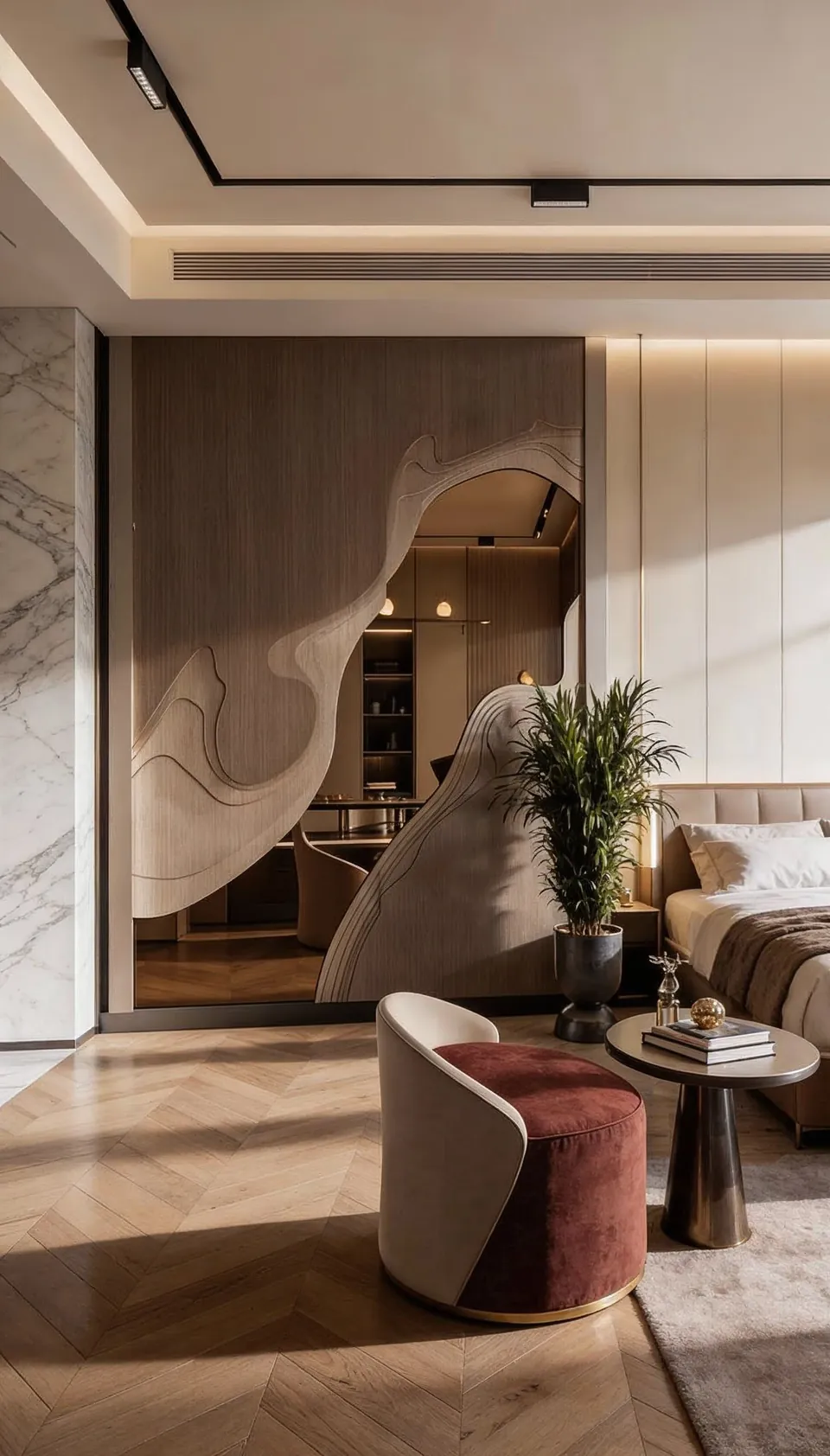
Lattice screens inspired by the mashrabiya are the most recognisable element of the style. As a room divider, a stair balustrade, a cabinet front or a panel in front of a window, they add depth and privacy. Before you commit, think about how the screen will be cleaned, whether it needs to open for access to a window or services, and how it will look at night when lit from one side.
Pattern
Choose one geometric family and repeat it at different scales, for example in a screen, a floor inlay and a small detail in the joinery. That repetition gives cohesion. Mixing several unrelated patterns is the quickest way to make a modern scheme look busy.
Materials that give warmth and depth
The palette is usually earthy and tactile: sand, stone, clay and warm white, with deeper wood tones and metal as accents. Materials worth understanding include:
- Natural stone such as marble, limestone and travertine for floors, walls and feature surfaces. Softer, more porous stones need sealing and more care in kitchens and bathrooms.
- Textured plaster and lime finishes on walls, which give a soft, handmade surface that suits arches and curved forms.
- Timber for screens, doors and joinery. Solid timber moves as humidity changes, so detailing, sealing and stable air conditioning all matter.
- Brass and bronze in handles, inlays, light fittings and trims. Unlacquered metal darkens and develops a patina; lacquered finishes stay brighter but can wear where hands touch them.
- Textiles such as wool rugs, linen, velvet and embroidered cushions, which bring in colour and pattern that is easy to change later.
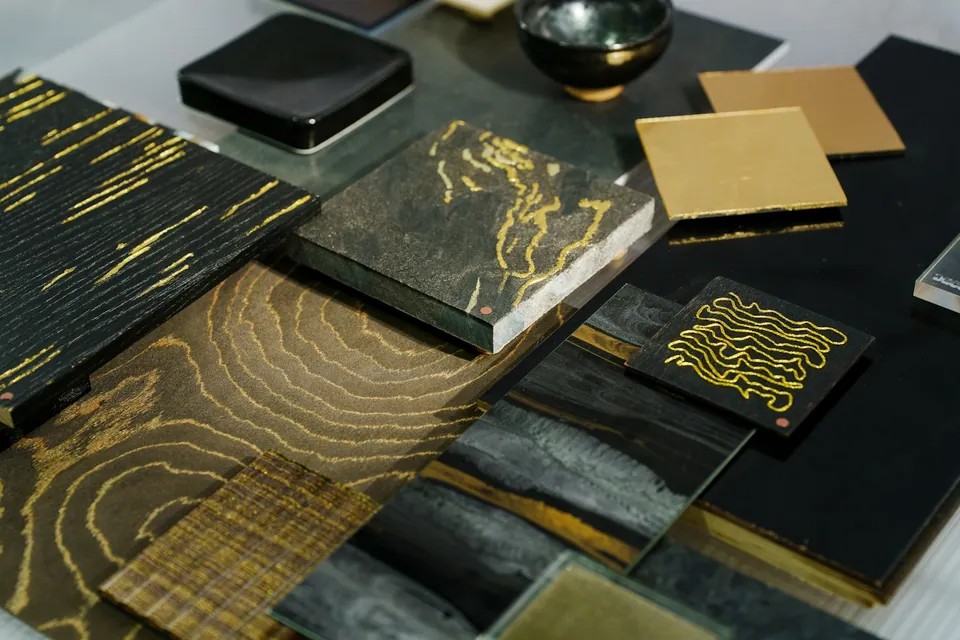
Ask for physical samples of every major finish and look at them in the actual room, in daylight and under the proposed lighting. Colour and sheen can look very different in strong sun than they did in a showroom.
How the Dubai climate shapes the scheme
Dubai's sun is intense for much of the year, and glare through large windows can flatten a room and fade fabrics. Screens and deep window reveals were practical answers to heat and light long before they became decorative, and they still do that job well. Use them where they cut glare, and choose rugs and upholstery with fade resistance in mind for the sunniest rooms.
Humidity and the constant difference between cool interiors and hot outdoor air also affect materials. Timber, plaster and some natural stones perform best when they are specified and installed for these conditions, with proper sealing and room for movement. If your villa has an outdoor majlis or courtyard, finishes there should be chosen for outdoor use rather than carried straight through from inside.
Lighting for atmosphere and hospitality
Lighting is where modern Arabic interiors succeed or fail. Pattern comes alive when it casts shadow, so plan lighting alongside the screens and carved surfaces rather than adding it at the end.
- Build layers of general, task and accent light, each on its own circuit or scene.
- Wash textured walls and plaster from close to the surface to bring out their depth.
- Backlight screens and niches so they glow in the evening.
- Choose warm colour temperatures and dimmable fittings for living and guest rooms.
- Treat lanterns and pendants as focal pieces, and keep the number of statement fittings in any one room small.
Our guide to lighting design explains layering and controls in more depth.
Common mistakes and how to avoid them
- Themed rooms. Too many motifs in one space make a home feel like a hotel lobby. Pick a few strong elements and let everything else stay calm.
- Ornate furniture everywhere. Heavily carved pieces need space around them. Mix them with simpler contemporary furniture.
- Dark rooms. Dense screens and deep colours can shut out daylight. Check how much light a screen actually lets through before it is made.
- Pattern chosen from a photograph. A detail that works at one scale in an image may look very different across a whole wall.
- Ignoring upkeep. Intricate screens collect dust, and some metals and stones need regular care. Choose finishes you are happy to maintain.
Planning the budget and the sequence of work
The cost of a modern Arabic scheme depends far more on specification than on style. The main drivers are the size of the property, the amount of bespoke joinery and screen work, the grade of stone and metal finishes, any structural or MEP changes needed for new openings, ceilings and lighting, and the furniture specification. Pieces made to order by specialist workshops also need longer lead times, which affects the programme.
A sensible sequence looks like this:
- Agree the brief: how you host, which rooms carry the style and how much the architecture changes.
- Develop a concept with mood boards and 3D views, so you can judge scale, pattern and light before anything is made.
- Produce working drawings and specifications for joinery, screens, lighting and finishes.
- Obtain building or community approvals where the work requires them.
- Order long-lead items early, then carry out building works, joinery installation and finishes.
- Install furniture, textiles and accessories, then inspect, snag and hand over.
At Xena Design & Build we produce detailed 3D renders before execution. That matters for this style in particular, because the balance of pattern and plain surface is hard to judge from drawings alone.
Planning a modern Arabic interior with us
If you are considering this style for a villa or apartment, our villa interior design page explains how we take a home from concept to handover. When you are ready, contact the studio with the location, size and a short description of what you have in mind, and we will send an indicative estimate and proposed timeline within one working day.