
Luxury Villa Interior Design Ideas for Dubai Homes
Updated
The best villa interior ideas in Dubai start with how your family lives and how the house handles sun and heat, then use materials, joinery and lighting to make that plan feel luxurious. Choose a clear direction early, invest in the things you touch and use every day, and treat the villa as one design rather than a collection of separate rooms.
Decide the direction before the details
The most common reason a villa feels disjointed is that decisions are made room by room. Start with an overall direction and a palette that carries through the house, then let individual rooms vary within it.
Directions that suit Dubai villas include:
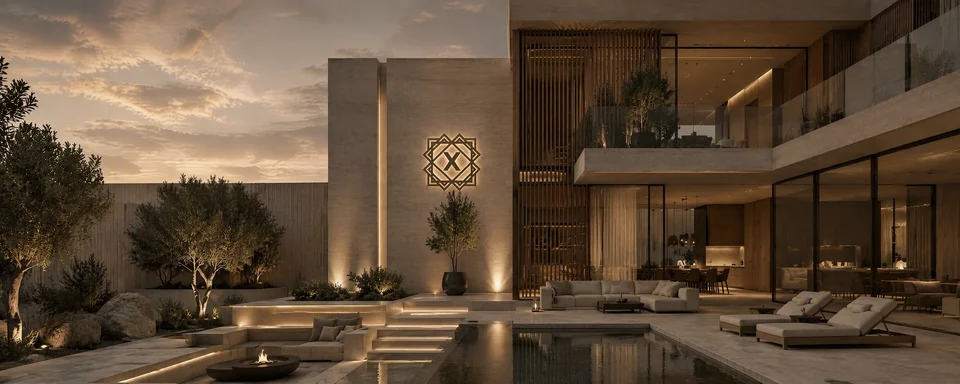
- Quiet, restrained luxury. Neutral tones, fewer elements and premium materials, where quality is felt rather than displayed. Our Emirates Hills villa followed this route, with a strict neutral palette and minimal visual elements.
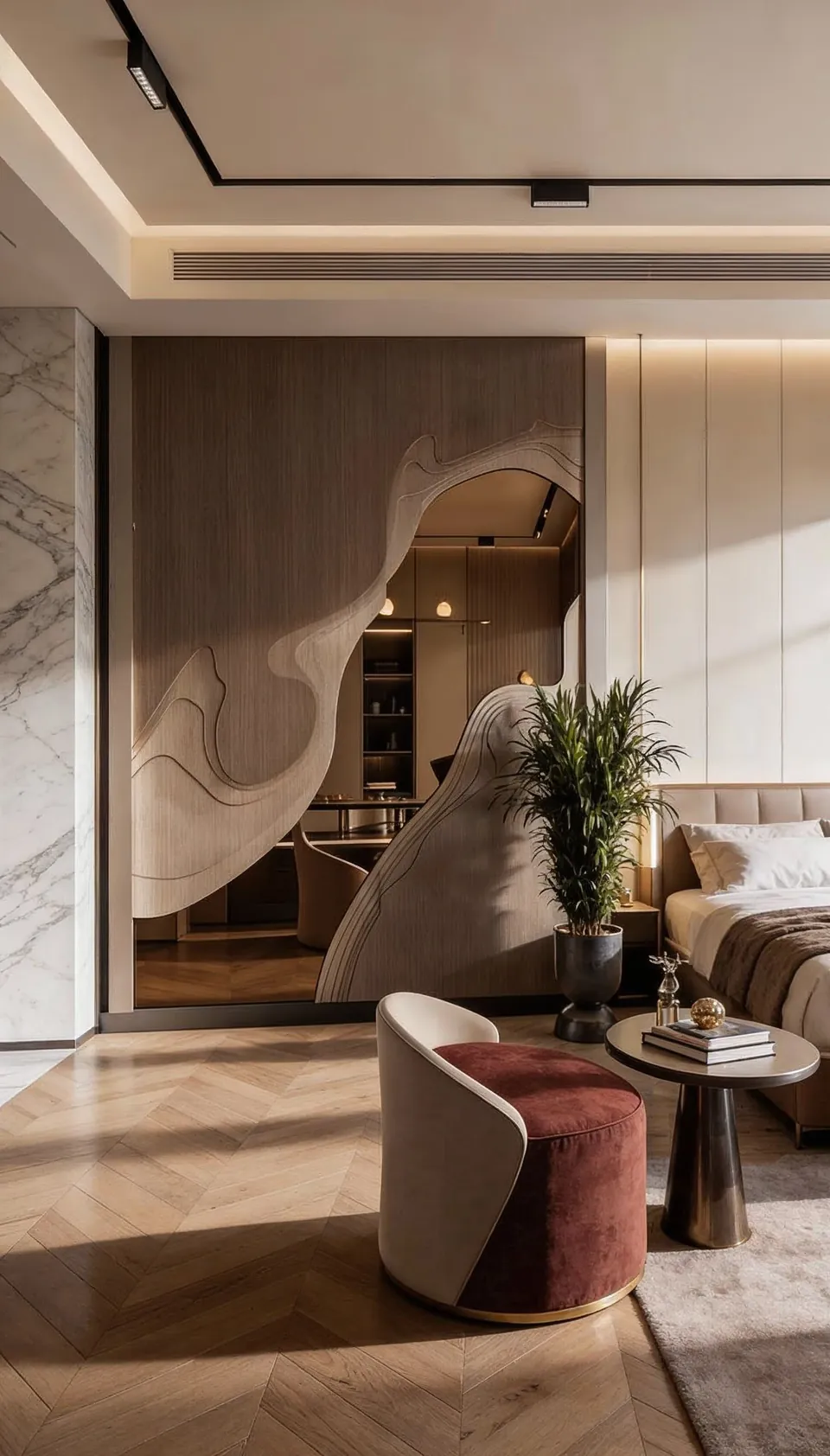
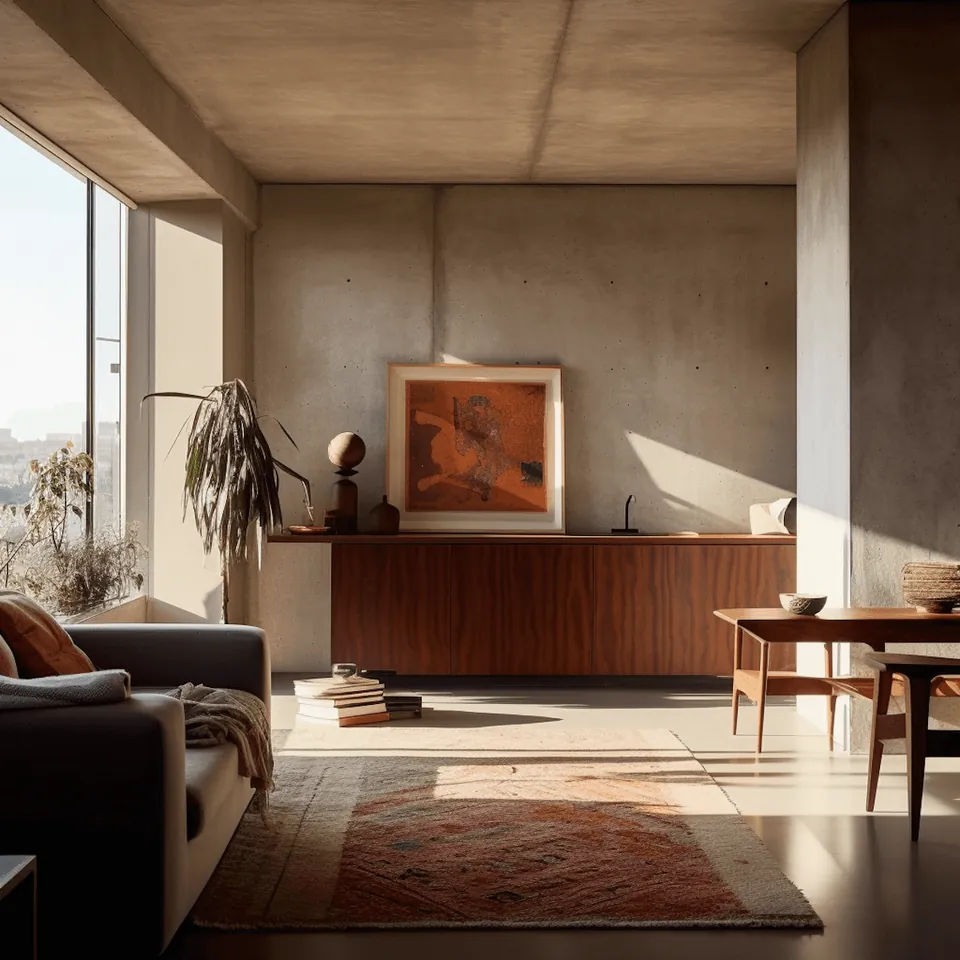
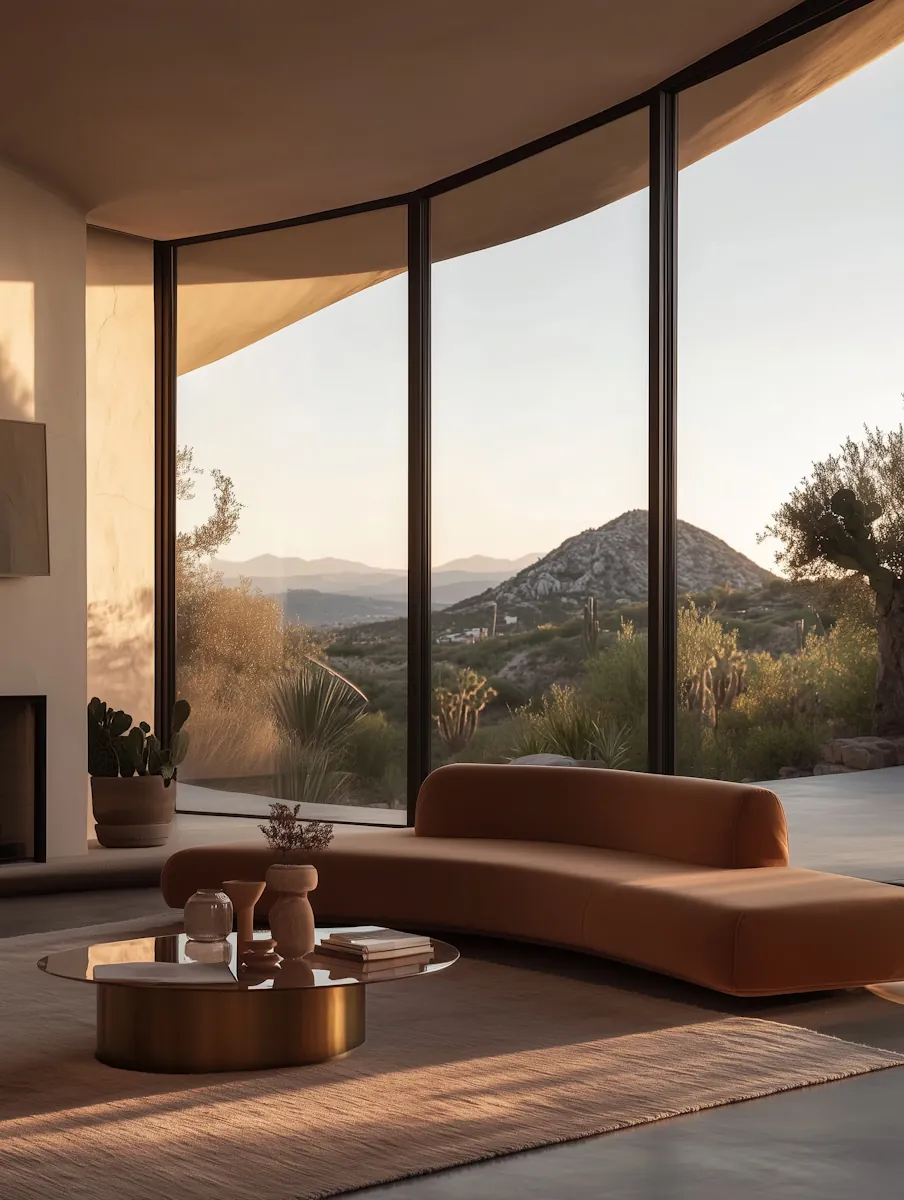
- Warm modern. Soft nude tones with natural wood for warmth, as in Jumeirah Villa 23, where the living spaces open onto the pool and landscaped garden.
- Bold and glamorous. Glossy finishes, golden accents and custom lighting, like the black marble dining area and grand entrance at MK Villa on Palm Jumeirah.
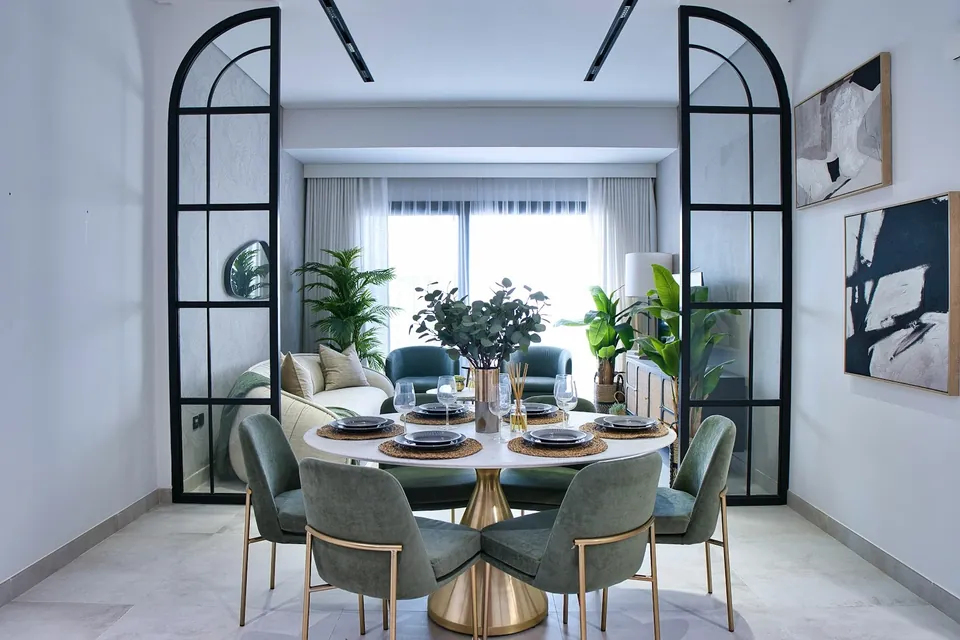
- Modern Arabic. Regional geometry, arches and craft reinterpreted in a contemporary way.
No direction is more correct than another. What matters is choosing one and applying it consistently, from flooring and joinery to lighting and textiles.
Plan the layout around family life
Many Dubai villas were built with formal rooms that are rarely used and family areas that feel cramped. Before changing finishes, ask whether the layout suits the way you live.
- Could a formal dining room become a family room, study or second majlis?
- Is there a clear separation between guest areas and private family areas?
- Does the kitchen suit how you cook, and would you benefit from a separate show kitchen and working kitchen?
- How do household staff and deliveries move through the house?
- Is there storage for bulky items, luggage and seasonal belongings?
Answer these first, because moving a wall or a kitchen later costs far more than drawing it now.
Design for Dubai's sun, heat and humidity
The climate shapes a villa interior more than any trend. Treat it as part of the brief from the first sketch, not something to deal with once furniture fades or doors start to stick.
Light and heat
Strong sun is both an asset and a problem. Rooms facing west and south can overheat and suffer glare, while shaded rooms may need more artificial light than you expect.
- Use layered window treatments: sheers to soften daylight, blackout or dimout for bedrooms, and motorised blinds for tall or hard-to-reach windows.
- Use lighter tones and reflective surfaces to spread daylight, as we did throughout the Emirates Hills villa, where the brief was a bright, airy home.
- Protect furniture, rugs and artwork from direct sun, since some fabrics and timbers fade or change colour.
- Design air conditioning diffusers and grilles into the ceiling so they do not interrupt it.
Materials that last
Humidity, heat, fine sand and constant air conditioning all test materials. A few principles help:
- Stone. Marble looks superb but is softer and more porous than many owners realise. Use it where you accept patina or can maintain it, and consider harder stones or porcelain in kitchens and heavy-use areas.
- Timber. Engineered timber is generally more stable than solid timber where conditions shift between cool rooms and warm, humid air near outside doors.
- Fabrics. Performance fabrics suit family seating; keep delicate textiles for accent pieces.
- Bathrooms. Waterproofing and ventilation matter more than the tile you see.
Bespoke joinery is where a villa feels tailored
Fitted joinery, such as kitchens, wardrobes, vanities, wall panelling and fitted furniture, is what makes a villa feel made for you rather than simply furnished. It also solves storage problems that loose furniture cannot. Decide door styles, handle details, internal fittings and finishes early, because joinery drawings depend on final wall positions and services. Made-to-measure pieces are best finalised against the built walls and ceilings rather than drawings alone, so that panels, doors and shadow gaps line up.
The walk-in closet with dedicated storage areas at MK Villa and the kitchen with concealed storage at the Emirates Hills villa are good examples of joinery doing real work: adding storage while keeping surfaces clear.
Lighting and smart home
Lighting design turns good materials into a good room. Combine ambient, task, accent and decorative light, and set up scenes for daytime, evening and entertaining. Plan lighting positions before the ceiling is designed, not after, and think about where you will sit, read, cook and display art, since each needs a different kind of light. Our guide to lighting design for luxury homes covers this in more detail.
Smart home integration, covering lighting control, climate, blinds, audio and security, is best designed in at the MEP stage. Retrofitting control systems after walls and ceilings are finished is disruptive and usually leaves compromises.
What drives the cost of a villa interior
We can tailor design and material selection to an approved budget, and it helps to know what moves the number:
- the size of the villa and how much of it is in scope;
- the extent of bespoke joinery;
- the grade of materials;
- MEP and structural works, including layout changes, lighting and smart home systems;
- the furniture specification.
How you engage matters too. A renovation refreshes selected rooms with new finishes, joinery and lighting. A full turnkey project covers the whole villa from design to handover, including MEP, joinery, fit-out and FF&E. A bespoke project covers ultra-luxury and structural works, with custom fabrication and imports.
Common mistakes
- Choosing finishes before the layout and lighting are fixed.
- Buying furniture before the room plan is drawn.
- Carrying indoor materials outside without checking they suit sun and heat.
- Underestimating storage.
- Leaving approvals until the end. Many villa works need approval, which depends on your community and may involve the master developer and the relevant authority.
How a villa project is sequenced
- Programming, planning and predesign. Brief, survey, layout options and concept.
- 3D visualisation. Detailed renders before execution, so you approve the look first.
- Construction documents and approvals. Working drawings and specifications, plus authority submissions and NOCs.
- Fit-out. Structural and MEP works, then ceilings, joinery and finishes, under project management and on-site supervision.
- Furniture, fixtures and equipment. Furniture, lighting, artwork, textiles and accessories.
- Handover and aftercare. Inspections, snagging and handover, followed by a 12-month defects liability period set out in your contract.
If you are living in the villa, the work can be phased room by room with dust screening and agreed working hours.
Start your villa project
Xena Design & Build works across communities including Palm Jumeirah, Emirates Hills, Dubai Hills Estate, Arabian Ranches and Jumeirah. Read more about our villa interior design service, then contact us with your villa's location, size and vision for an indicative estimate and proposed timeline within one working day.