
Interior Lighting Design for Luxury Homes in Dubai
Updated
A well-lit luxury home in Dubai uses several layers of light on separate circuits, warm and consistent colour, fittings that hide their glare, and controls that set the mood with one touch. Plan the lighting from the furniture layout early in the design, because the best effects depend on ceilings, joinery and wiring being prepared for them.
Why lighting decides how a finished home feels
Expensive marble, timber and fabric can look flat under poorly planned light, while modest finishes can look rich when they are lit well. Lighting also changes how large a room feels, where the eye goes and whether a space is comfortable to sit in for a whole evening. That is why it deserves a plan of its own rather than a grid of downlights added once the ceiling is drawn.
In Dubai the contrast between day and night is marked. Rooms are often flooded with strong daylight, then rely entirely on artificial light after sunset. A good scheme works for both, managing glare and heat by day and creating warmth and depth in the evening.
The layers of a lighting scheme
Designers usually think in four layers. Each has its own job, and each should be on its own circuit so it can be dimmed or switched independently.
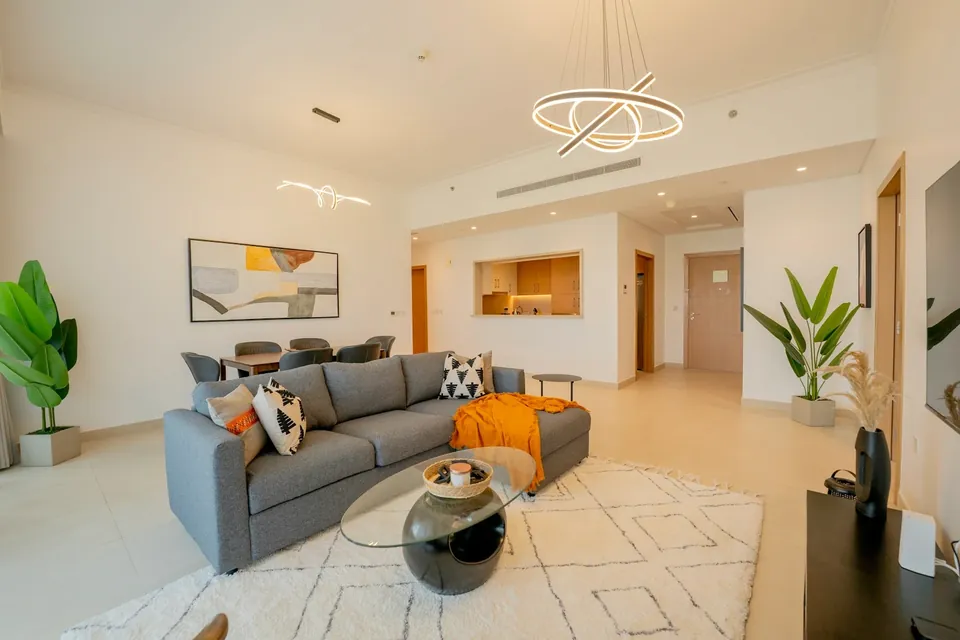
- Ambient light: the general, even light that lets you move around safely. Cove lighting, indirect uplighting and well-spaced downlights are common sources.
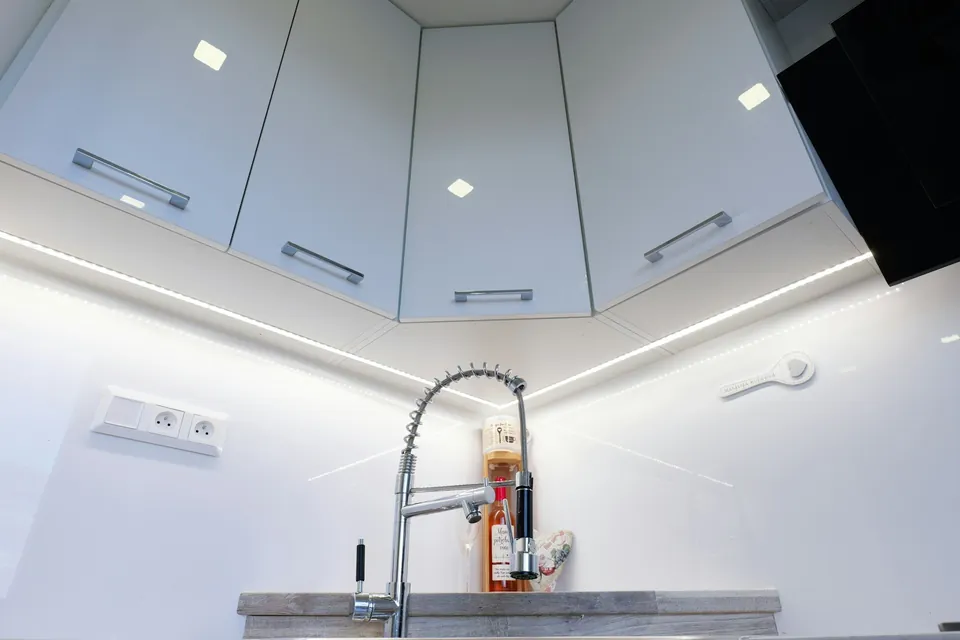
- Task light: focused light where you work: kitchen worktops, vanity mirrors, reading chairs, desks and dressing areas.
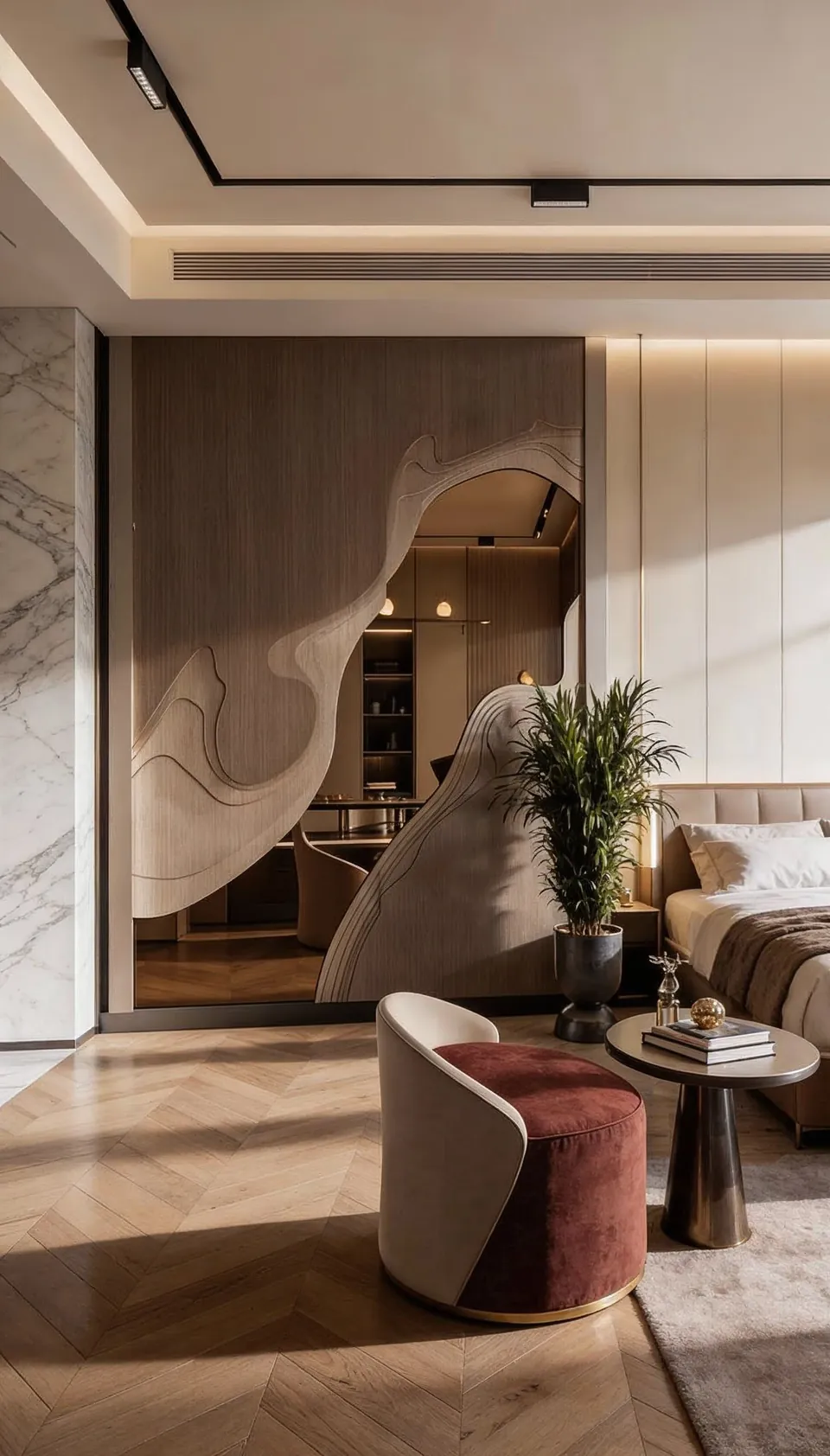
- Accent light: directional light that picks out artwork, textured walls, stone, shelving and architectural features, giving the room depth.
- Decorative light: chandeliers, pendants, wall lights and lamps that people look at as much as the light they give.
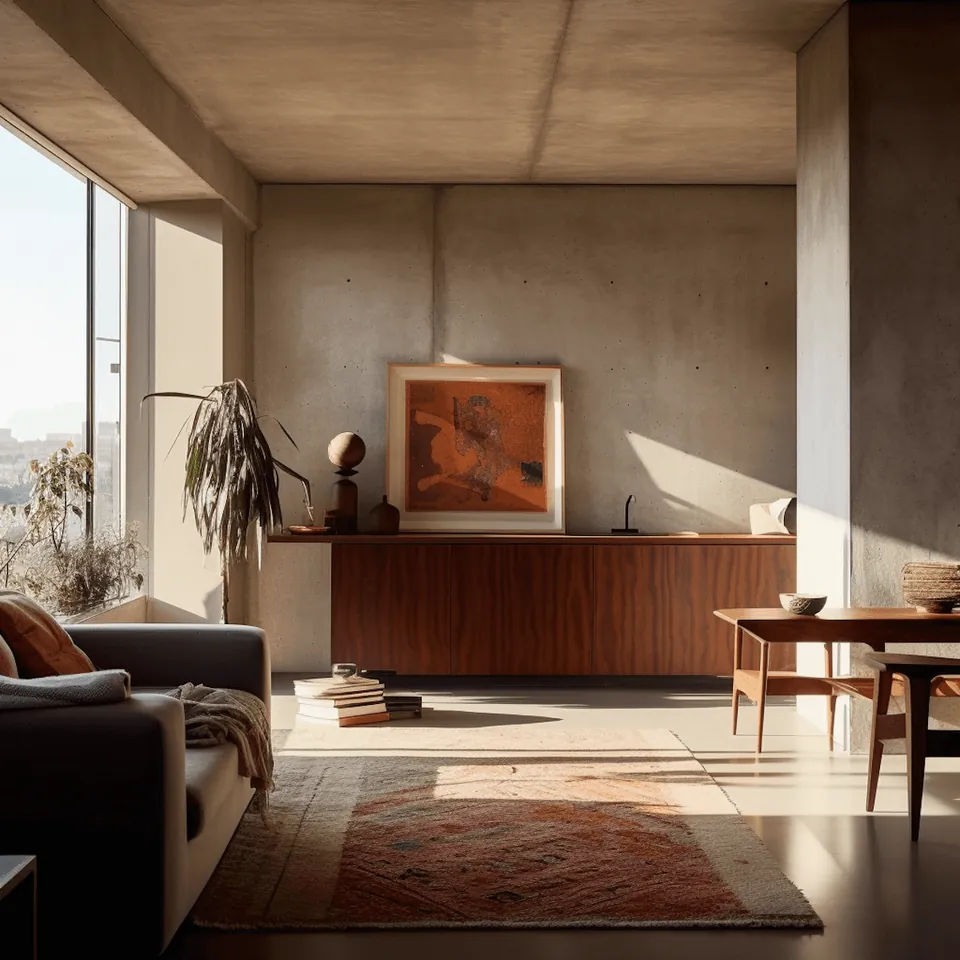
The balance between these layers creates atmosphere. A living room lit only by ambient light feels like an office; the same room with lamps, lit artwork and a dimmed ceiling feels like a home.
Specifications worth understanding
Colour temperature
Measured in kelvin, colour temperature describes how warm or cool white light appears. Warm white is the usual choice for living spaces and bedrooms, while slightly cooler light can suit kitchens and work areas. A frequent error is mixing different temperatures in one room, which makes finishes look patchy. Pick a standard for the house and specify it for every fitting and LED strip.
Colour rendering
Colour rendering describes how faithfully light shows the true colour of materials, skin and food. High colour rendering fittings make stone, timber and fabric look as they did in the showroom, and they are worth insisting on in any luxury interior.
Glare and beam angle
Deeply recessed or anti-glare downlights keep the light source out of sight when you sit or lie down. Narrow beams suit artwork and focal points; wider beams suit general light. Avoid placing downlights directly above beds, sofas and dining chairs where people look up.
Dimming and drivers
LED fittings dim well only when the fitting, its driver and the dimmer or control system are compatible. Confirm this at specification stage, and make drivers accessible for maintenance, particularly above ceilings and inside joinery.
Planning lighting for villas and apartments
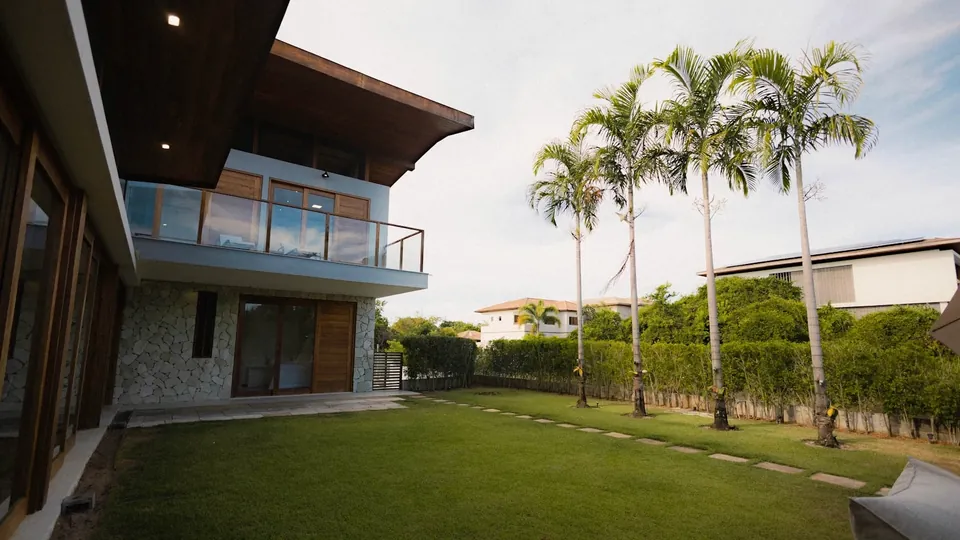
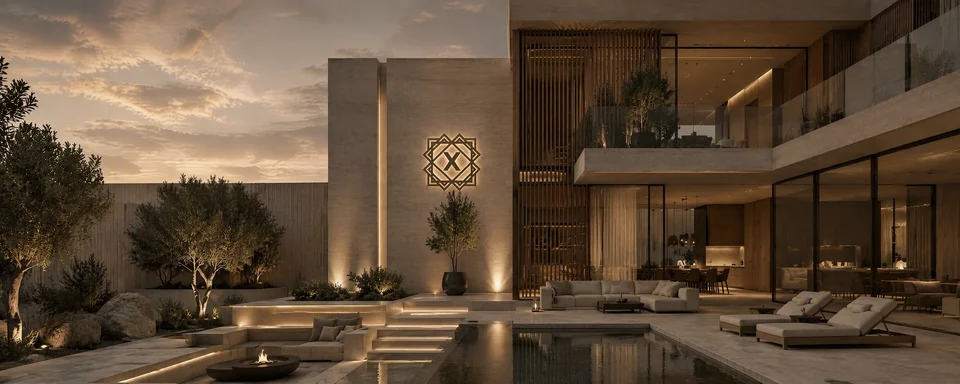
Villas usually give more freedom: deeper ceiling voids, double-height spaces, staircases and gardens that can be lit as views from inside. Entrances, stairs and corridors benefit from low-level or wall lighting that guides people at night without switching on the main lights. In our MK Villa project on Palm Jumeirah, customised imported fixtures were selected to highlight architectural features and interior details, and one bedroom was given its own rose-coloured lighting to suit its character.
Apartments often have limited ceiling depth and existing concrete slabs, and changes to ceilings or services may need building management approval. Slim fittings, track systems, wall lights, lighting integrated into joinery and well-placed lamp sockets can achieve a layered result without major works. Our apartment interior design page explains how we work within those limits.
Working with Dubai daylight and climate
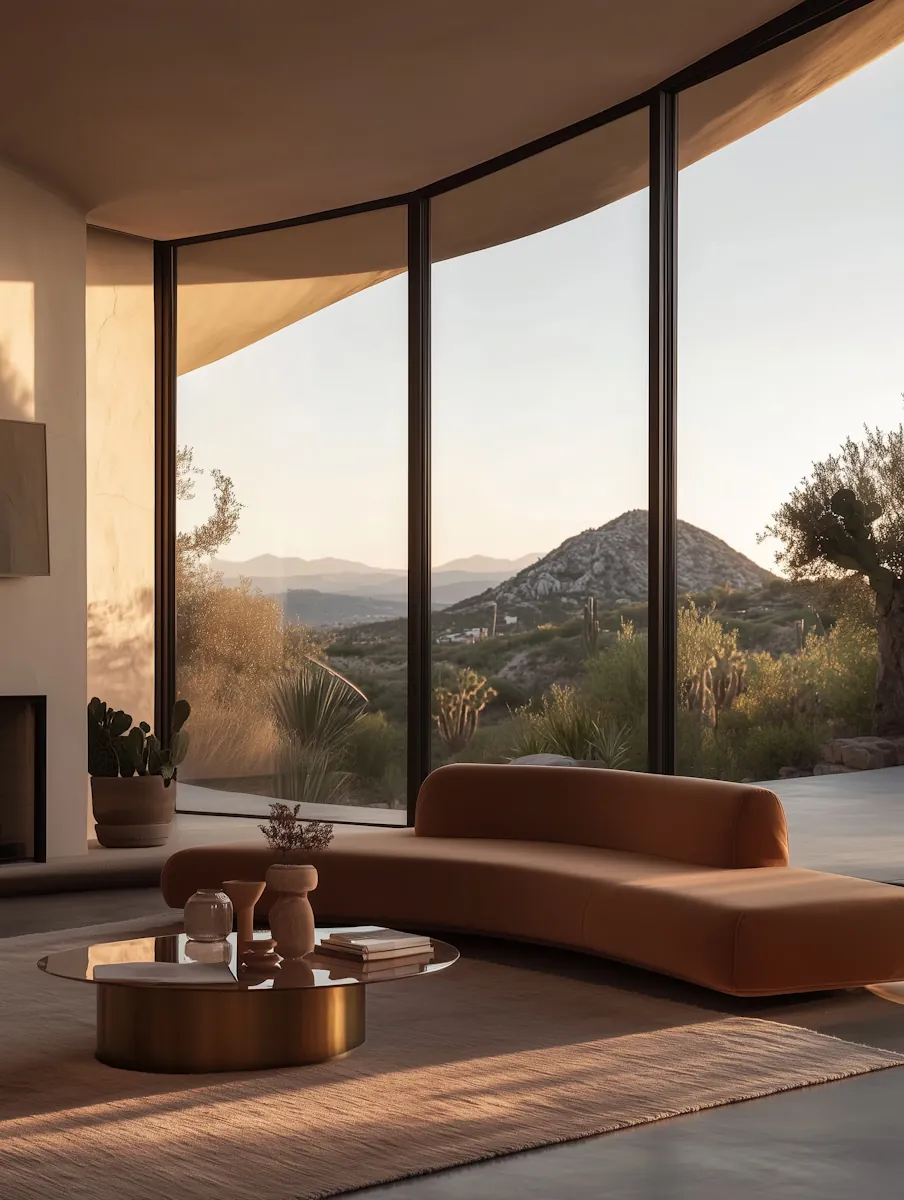
Strong sun is an asset and a problem. Large windows fill rooms with light but can cause glare on screens and fade fabrics and artwork. Sheer curtains, blinds and solar film soften daylight, and lighter, reflective finishes can carry it deeper into a room. Our Emirates Hills Villa was planned around natural sunlight, with lighter tones and reflective surfaces used to enhance it throughout the day.
Heat matters too. LED drivers and transformers last longer in ventilated spaces than in sealed, hot ceiling voids. Outdoor and bathroom fittings need an appropriate ingress protection rating for moisture and dust, and terrace fittings should cope with high humidity and direct sun.
Controls and lighting scenes
Once lighting is layered, it needs sensible control. A scene is a saved combination of light levels called up with one button: welcome, evening, dinner, cleaning, night. Keypads replace banks of switches, and presence sensors can handle utility areas and walk-in wardrobes. Controls can be part of a wider automation system or a standalone lighting system; our guide to smart home design in Dubai covers the options. Whatever you choose, make the everyday controls obvious enough for guests and household staff.
Common lighting mistakes in Dubai homes
- A regular grid of downlights across every ceiling, with nothing on the walls.
- Cool white light throughout, which makes rich finishes look clinical.
- Mixed colour temperatures within one room.
- Everything on one switch, with no dimming.
- Lighting designed before the furniture layout, so pendants miss the table and reading lights miss the chair.
- Strong grazing light across stone or plaster that exposes every joint and imperfection.
- No floor or table sockets for lamps, leaving trailing cables.
- LED strips with visible dots because the profile or diffuser was left out.
How to plan the lighting budget
Lighting cost depends on choices, not on a standard rate. The main drivers are:
- the size of the home and the number of fittings and circuits;
- the grade of decorative fittings, and whether they are imported or custom made;
- ceiling works, coves and recesses needed to conceal light sources;
- lighting integrated into bespoke joinery, shelving and wall panelling;
- the control system, from simple dimmers to full scene control;
- wider MEP changes needed to rewire an existing home.
If the budget is fixed, invest first in the circuits, dimming and ceiling preparation, which are hard to change later. Decorative pieces can be upgraded over time.
How lighting work is sequenced
- Furniture layout: agree where people will sit, eat, work and sleep.
- Lighting plan: fittings, circuits, switching and scenes drawn over the layout, reviewed in 3D renders before execution.
- Specification: fittings, colour temperature, colour rendering, drivers and controls confirmed and ordered, with long-lead items first.
- First fix: wiring and back boxes installed before ceilings and walls close.
- Ceilings and joinery: coves, recesses and integrated profiles built.
- Second fix: fittings installed and connected.
- Commissioning: accent lights aimed, levels balanced and scenes set in the finished room.
Lighting design is part of our villa interior design scope, together with MEP and smart home integration. To discuss your home, send us the location, size and what you would like to change through the contact page, and we will reply with an indicative estimate and proposed timeline within one working day.