
Luxury Interior Design in Dubai: What to Expect and What to Ask
Updated
A luxury interior design company in Dubai should offer more than good taste: it should control every detail from concept through bespoke joinery, procurement and installation, and stand behind the work after handover. Judge firms on their finished projects, the quality of their drawings and specifications, and how clearly they manage budget, approvals and site work.
What luxury should mean in practice
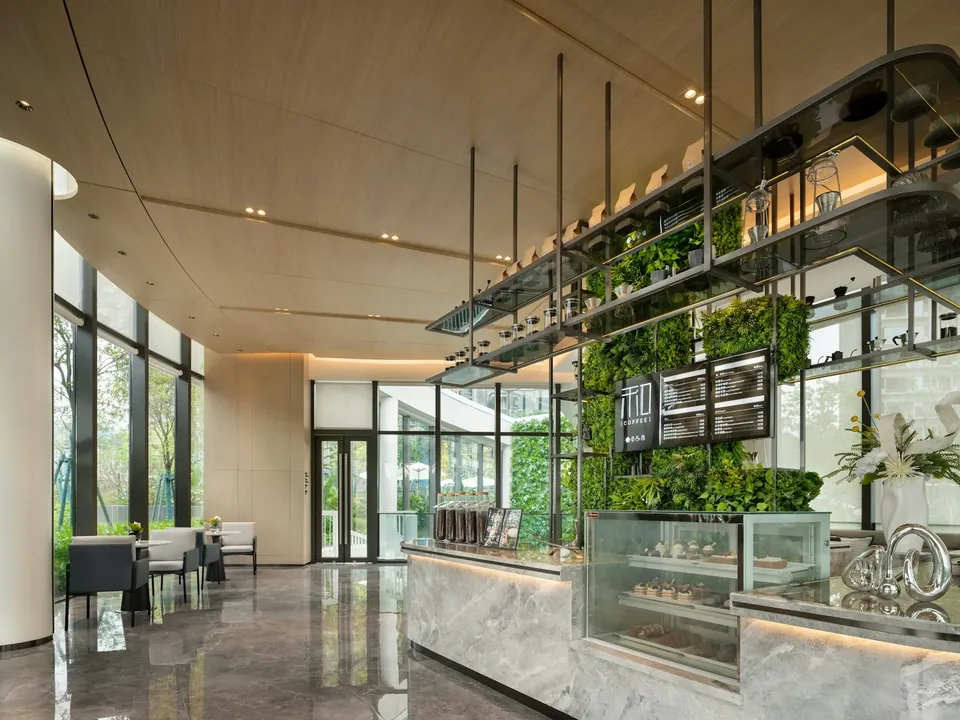
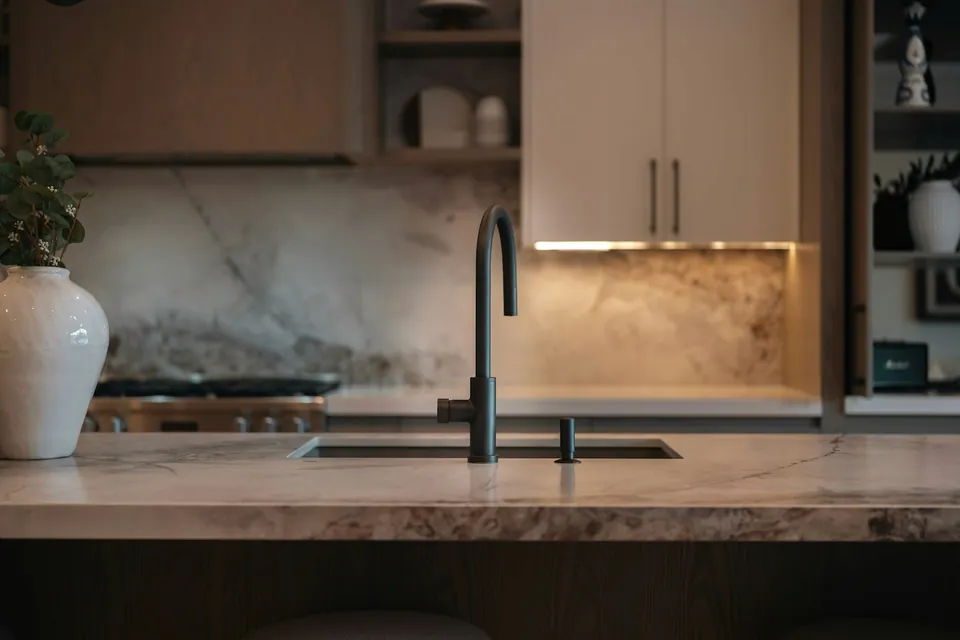
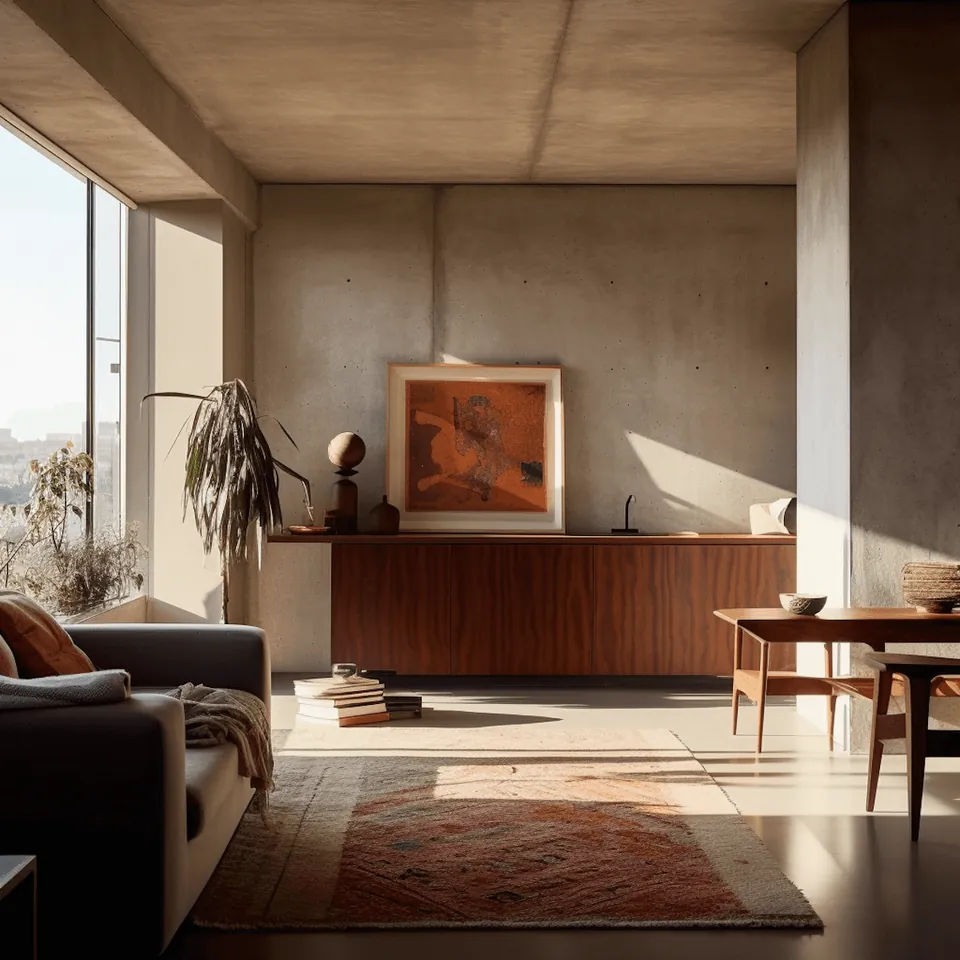
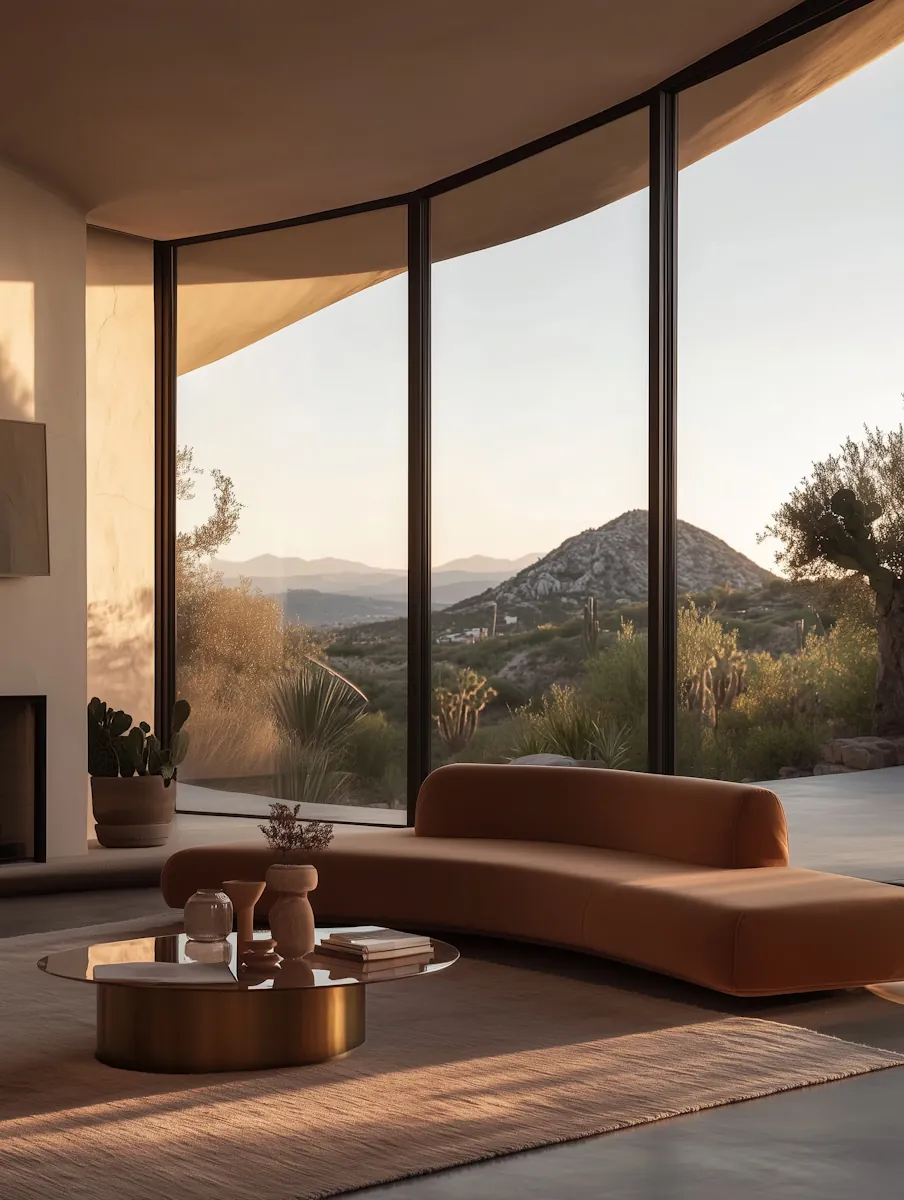
Expensive materials alone do not make a luxury interior. What sets high-end work apart is control of detail: proportion, the way stone is laid out and matched, how joinery lines up with doors and ceilings, where light falls, and how cleanly materials meet at every edge.
A luxury interior design company should be able to show you that level of care in finished work, explain the thinking behind it, and make sure the contractor builds it exactly as drawn. That last step is where many projects fall short, so it deserves as much attention as the design itself.
Luxury also means comfort and ease of living. A beautiful home that is hard to clean, awkward to move through or poorly lit at night has missed the point. Ask how each firm balances appearance with the way your household actually lives.
Services a luxury project usually needs
High-end homes tend to need much more than a design scheme. Expect a capable company to cover most of the following, either with its own team or through a coordinated group of specialists:
- Concept design, space planning and visualisation
- Interior design and detailed material specification
- MEP, lighting and smart home integration
- Bespoke joinery: kitchens, wardrobes, vanities, wall panelling and fitted furniture
- Exterior and landscape design where the project includes outdoor space
- Furniture, bespoke pieces, lighting, artwork, textiles and accessories
- Project management, site supervision, handover and aftercare
This is close to the scope of our own villa interior design service, which runs from concept and visualisation through turnkey fit-out to final detailing and aftercare. Whichever firm you speak to, ask which of these it delivers itself and which it passes to others.
Why bespoke joinery deserves close attention
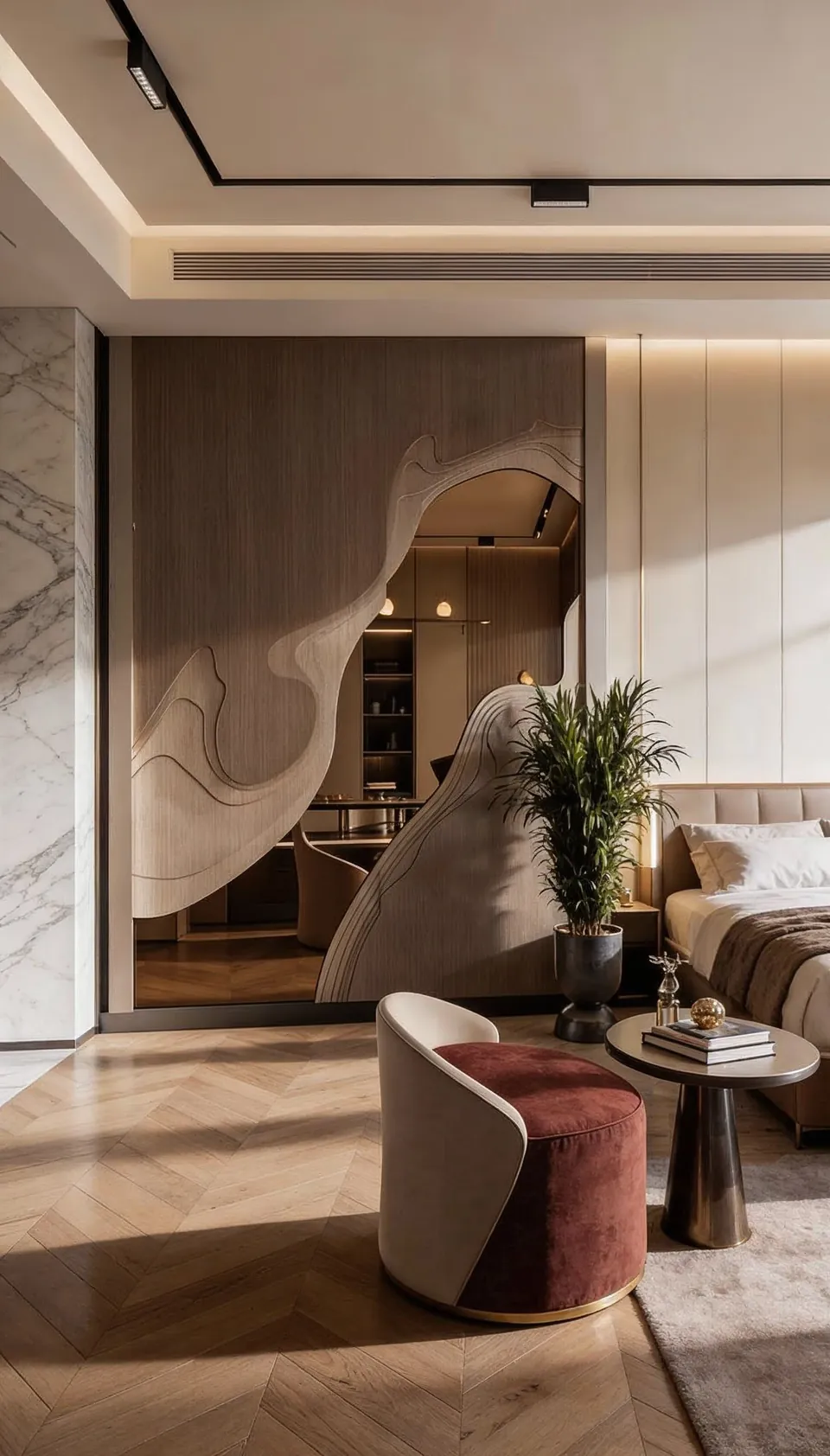
In most luxury homes, joinery does a great deal of the work. Kitchens, dressing rooms, vanities, panelled walls and fitted furniture shape how a home feels every day, and they are difficult to correct once installed.
Ask to see shop drawings and samples before production, and ask who makes the pieces and how finishes are approved. A firm that controls joinery closely will talk confidently about veneers, hardware, edge details and how pieces meet walls and ceilings. One that talks only about the overall look may be leaving those decisions to the workshop.
Lighting, technology and the finishing layer
Lighting and technology are where many high-end interiors succeed or fail, and both depend on decisions made early. Lighting needs to be designed in layers, with general, task and accent light working together, and planned alongside the ceilings, joinery and electrical layout rather than added at the end.
Smart home systems work the same way. Controls for lighting, climate, blinds and audio are far easier to integrate well when they are part of the MEP design from the start. Ask each firm how it coordinates these systems with the interior, and who you will call if something needs adjusting after you move in.
The final layer is furniture, bespoke pieces, artwork, textiles and accessories. This is what makes a finished house feel like a home, so ask whether the firm selects and installs these items itself, and how it presents choices for your approval.
Materials, climate and sustainability in Dubai
Dubai's heat, strong sunlight, humidity and fine sand are hard on materials. Some natural stones stain or etch, some fabrics fade in direct sun, and timber needs careful selection. Ask each firm how it chooses materials for your specific rooms, including spaces that face strong sun or are used outdoors.
Sustainability is increasingly part of the brief as well. Dubai Municipality's Al Sa'fat green building system sets mandatory requirements for new buildings, with higher ratings available to owners who go further. For an interior project, the practical questions are how the firm approaches efficient lighting and controls, and how it chooses durable materials that will not need replacing soon.
How to judge a luxury portfolio
At the top end, look closely rather than broadly. Wide shots flatter; close-ups reveal quality. Look for photographs of finished rooms, not only renders, and for consistency across several projects rather than one standout.
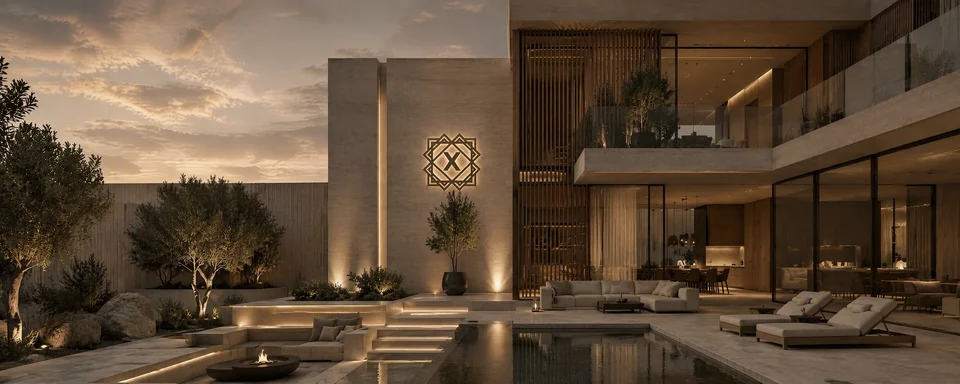
Look too for evidence that a firm can carry a clear idea through an entire property. Our MK Villa on Palm Jumeirah, completed in 2023, was built around a strong direction: glossy finishes and golden accents, black marble dining, custom lighting, a walk-in closet and a grand entrance with car garage. Ask every firm you meet to walk you through a comparable project and explain the choices behind it.
If you are also deciding between a small studio and a larger practice, think about who will actually work on your home. Ask to meet the designer who will lead your project, not only the person presenting the portfolio.
Budget and value at the top end
A luxury budget should still be a managed budget. The main cost drivers are the size of the property, the extent of bespoke joinery, the grade of materials, MEP and structural works, and the furniture specification. Imported pieces and custom fabrication add further variables.
Ask for itemised specifications and a clear list of allowances, so you know where the money is going and which items may still change. A good firm will tailor design and material selection to the budget you approve, and will tell you plainly when an idea costs more than it adds. Be wary of any company that avoids the subject until late in the design.
Approvals, site work and aftercare
Luxury projects often include changes that need approval, such as structural works, MEP upgrades or exterior alterations. Requirements depend on the building and community, and may involve the master developer, building management and the relevant authority. Ask who prepares the drawings and obtains the no objection certificates; we handle authority approvals as part of the programme.
If you will live in the property during the work, ask how the firm phases rooms, screens dust and agrees working hours. Then ask about the end of the project: inspections, snagging, handover and support afterwards. We give a 12-month defects liability period set out in your contract and pass manufacturers' warranties on appliances, fixtures and equipment to the client. Compare these terms in writing with every firm you consider.
Questions to ask a luxury interior design company
- Which finished project is most like mine, and what would you do differently now?
- Which parts of the work do you deliver yourselves, and which do you subcontract?
- How do you approve joinery, stone and fabric before production?
- How will you keep the project within the approved budget?
- Who is my main contact, and who supervises the site?
- What happens after handover if something needs attention?
For a broader checklist that applies to projects of any size, read our guide on how to choose an interior design company in Dubai. If you would like to discuss a villa or apartment with us, send us the location, size and your vision, and we will reply with an indicative project estimate and proposed timeline within one working day.